Port Ship Loading Telescopic Spout
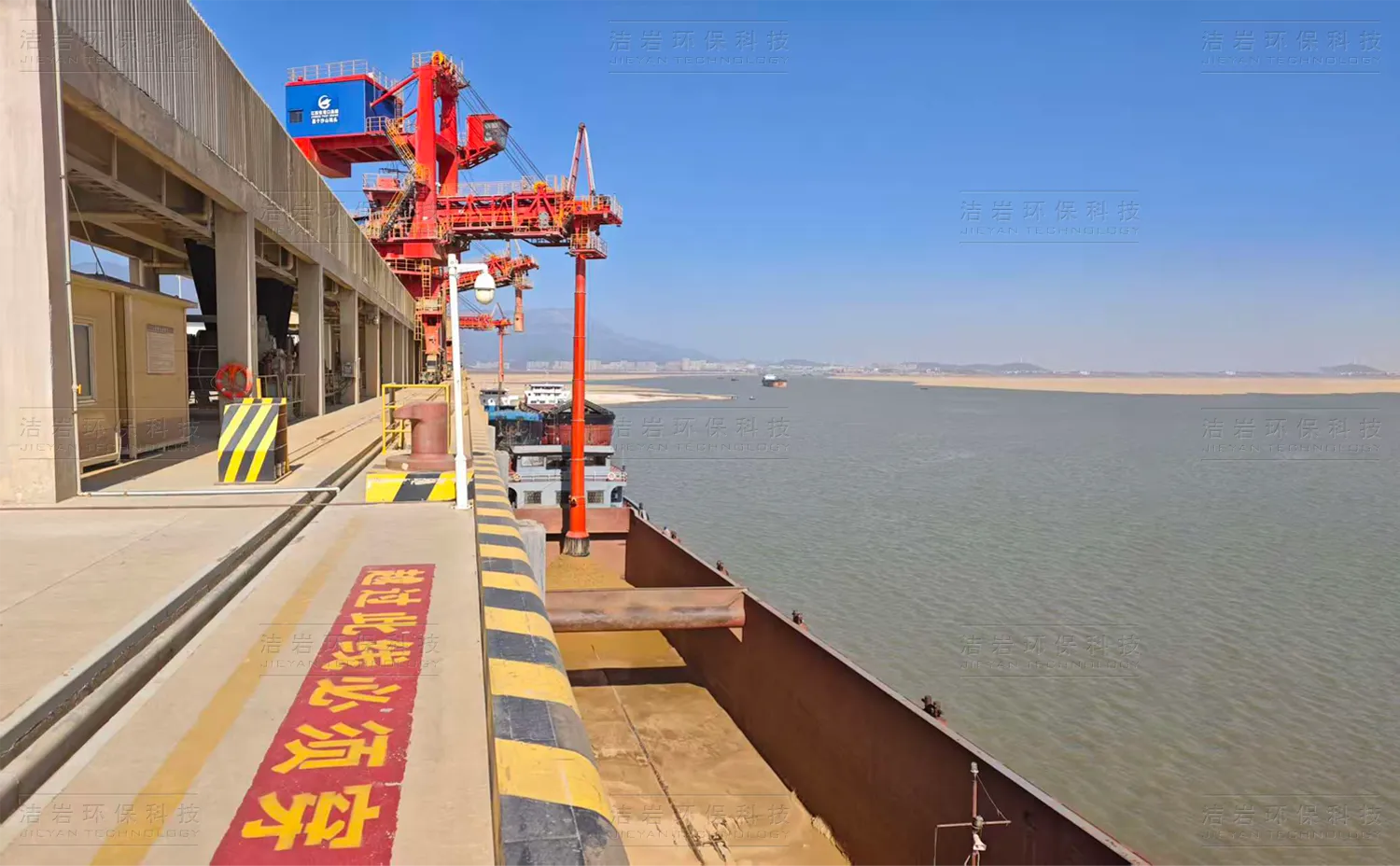
A long-travel telescopic loading spout system was applied to port ship loading operations, effectively reducing dust emissions while ensuring stable and efficient bulk material transfer.
Site Conditions and Dust Challenges
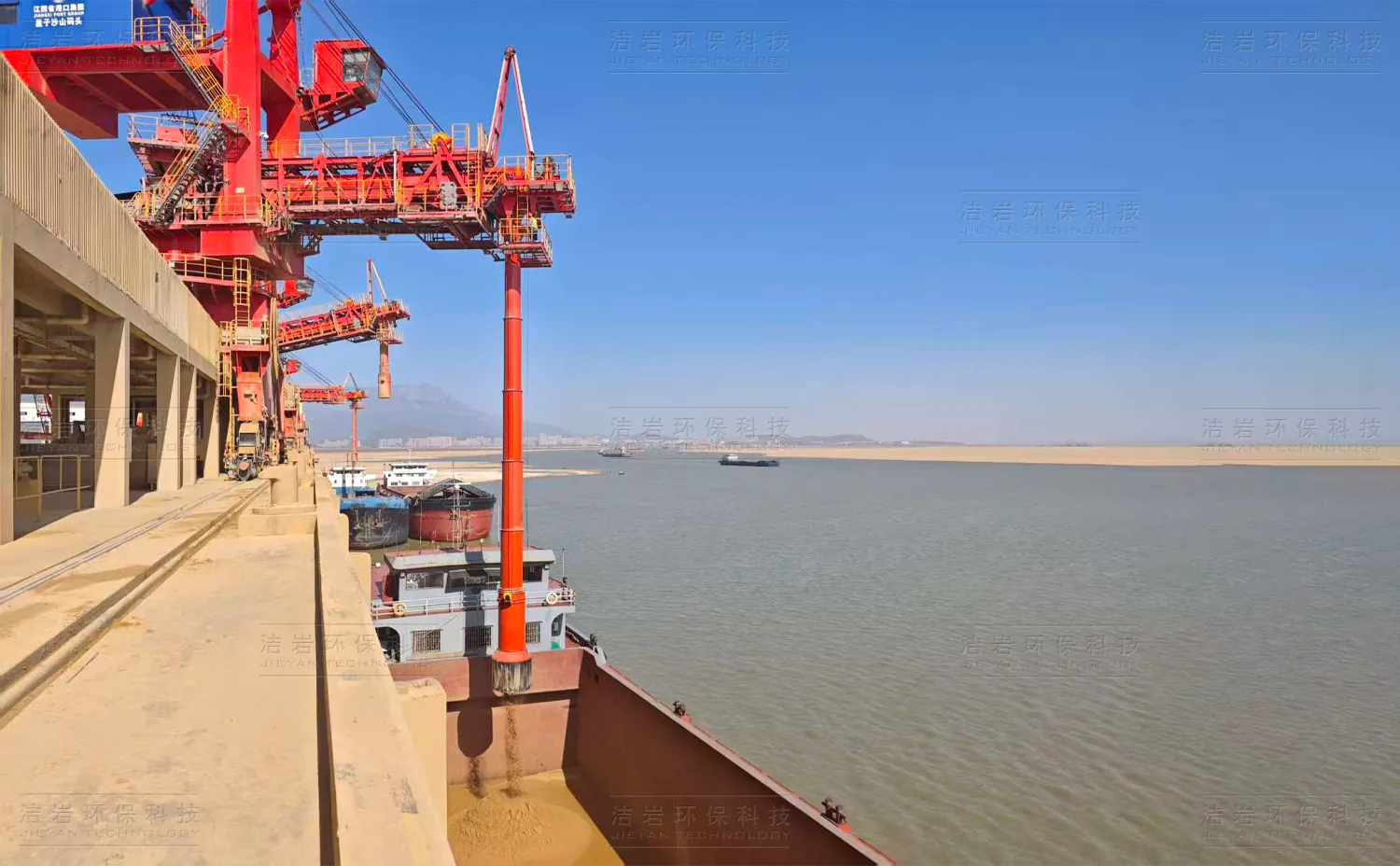
During ship loading operations at ports, bulk materials generate significant dust as they fall into the ship hold.
Dust dispersion not only affects the working environment but also creates environmental pressure for port operations.
Traditional loading methods struggle to control dust effectively, especially under high-drop and continuous loading conditions.
Engineering Solution
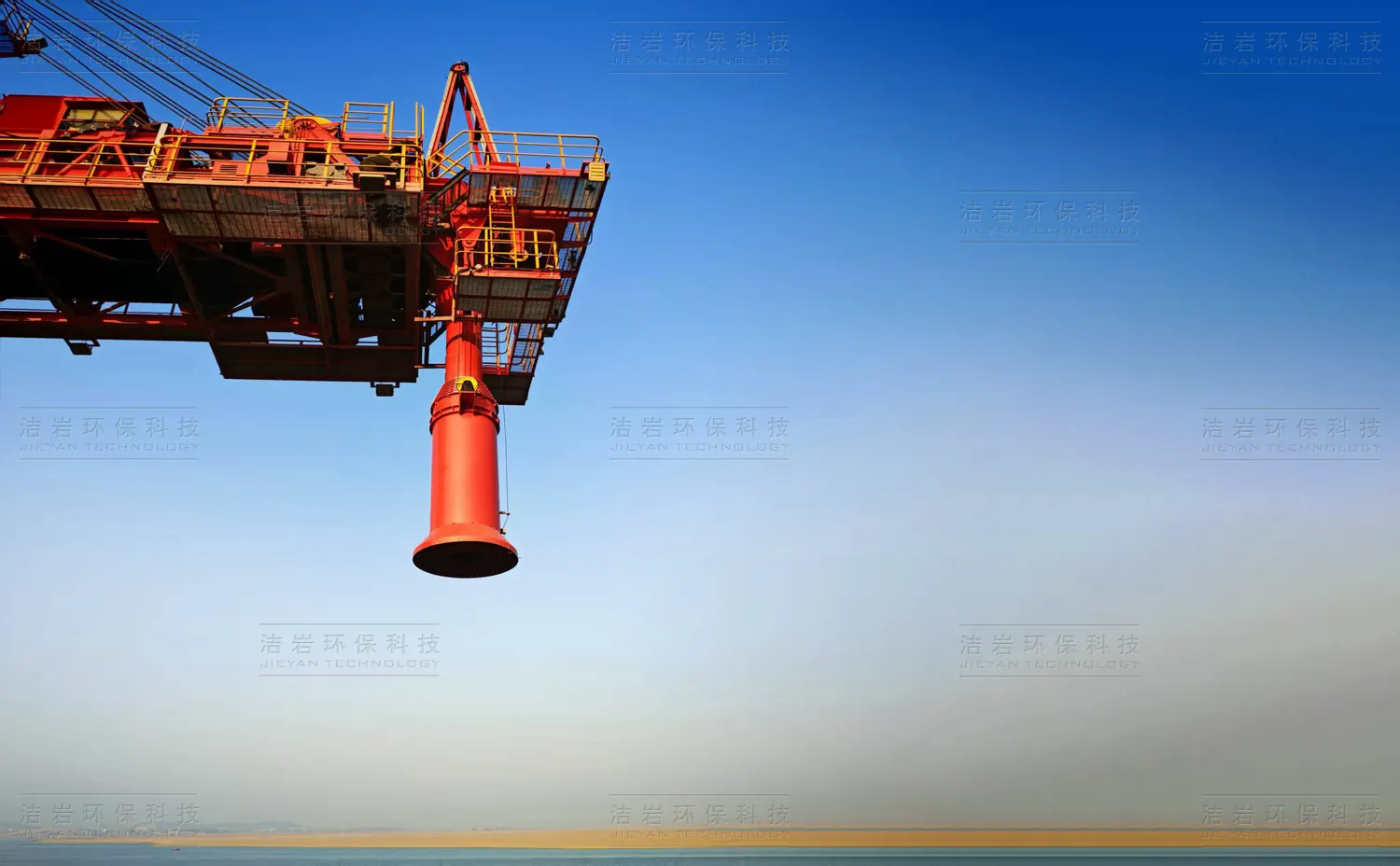
Based on the existing ship loading system, the telescopic loading spout was upgraded to achieve long travel extension and automatic lifting functions.
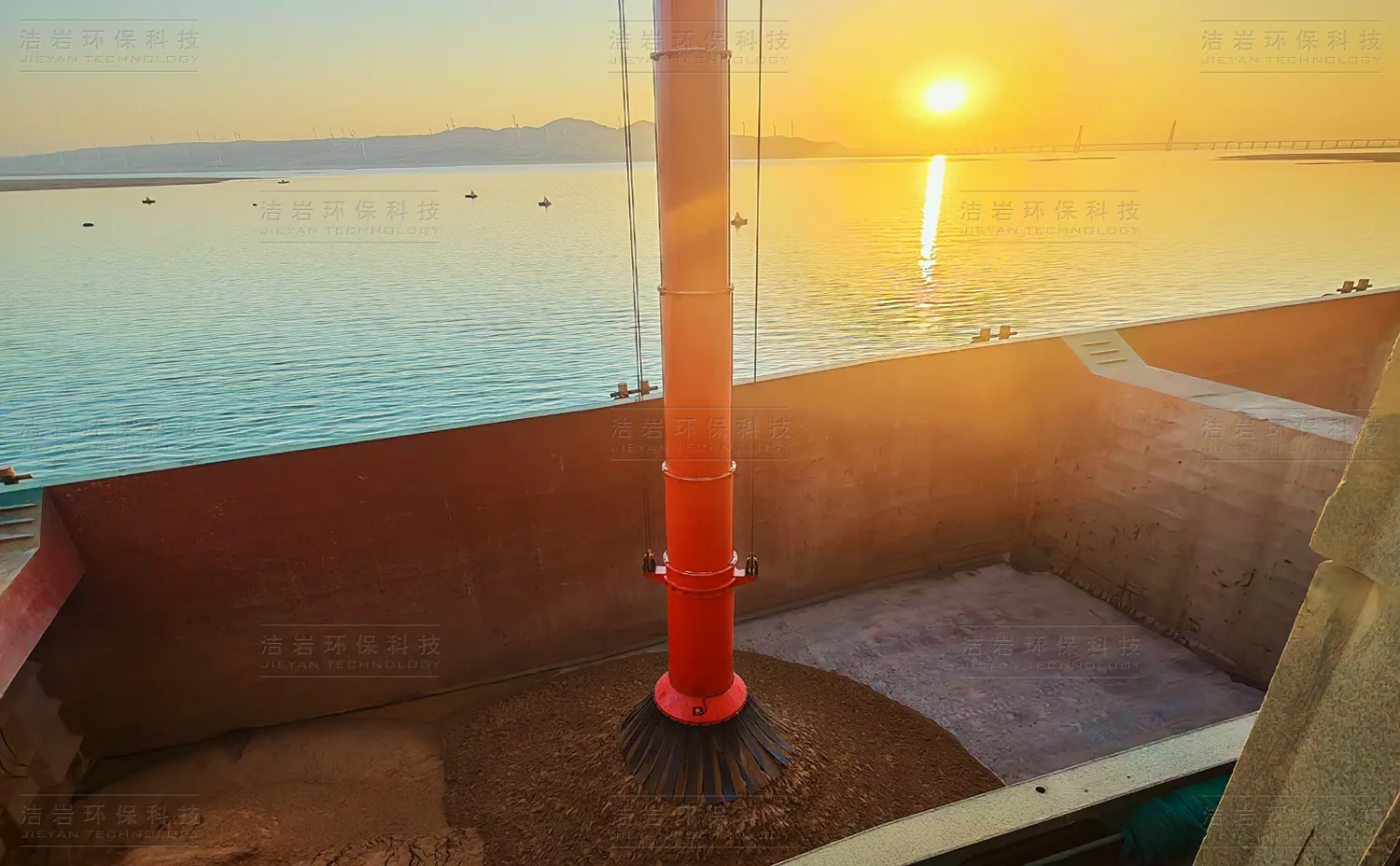
The system allows the spout to remain close to the material pile during loading, reducing drop height and minimizing dust generation.
As the material level changes, the spout automatically adjusts its position to maintain optimal loading conditions.
Working Principle
The telescopic spout extends and retracts dynamically during loading operations, following the changing material level inside the ship hold.
This reduces impact force and limits dust generation at the source.
The system ensures stable material flow while preventing dust from spreading outside the loading area.
【Equipment Model】: TL800-28
【Material】: Ore powder
【Travel Length】: 29 m
【Application】: Port ship loading operations
Application Scope
Suitable for port terminals, bulk material storage yards, and ship loading systems.
Widely used in industries such as mining, energy, and building materials for handling ore, coal, and other bulk materials.
Project Results
The system significantly reduced dust emissions during ship loading operations.
Working conditions at the port were improved, and environmental impact was minimized.
The long travel design enhanced operational flexibility and improved overall loading efficiency.